Introduction
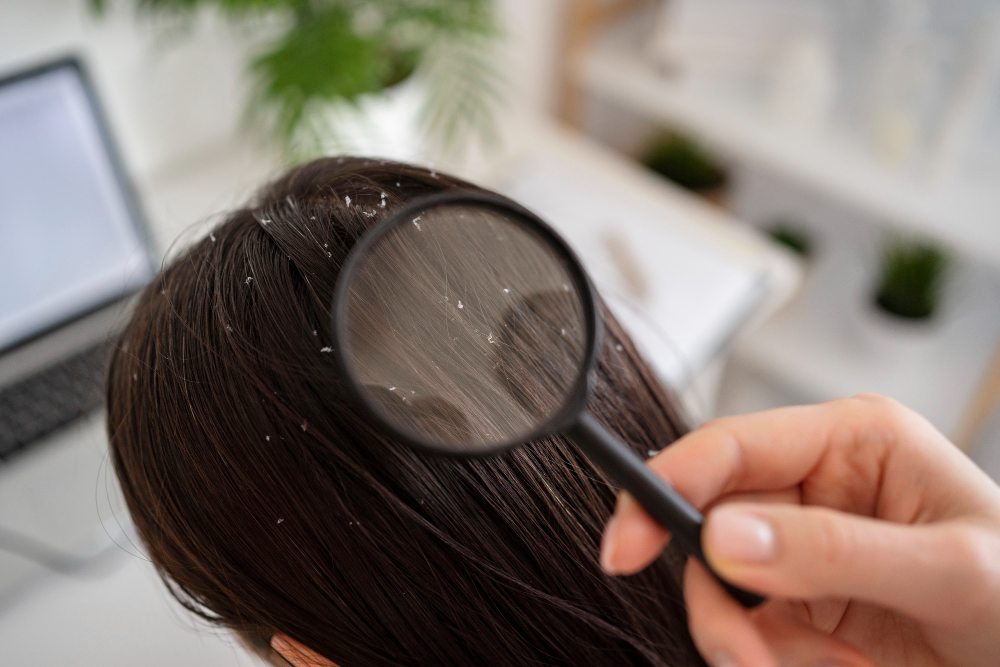
Many people face scalp problems at some point in life. These issues can include dandruff, itching, or hair thinning. While some scalp problems seem minor, they can affect your comfort and confidence. In some cases, they may signal a deeper health issue. Therefore, it is important to understand these problems and know when to seek help. Early care can prevent bigger concerns later.
Common Scalp Problems
Scalp problems come in many forms. However, three of the most common are:
Each of these scalp problems can affect your daily life. But with the right care, you can manage or even prevent them.
Symptoms to Watch For
It is important to notice early signs of scalp problems. Some symptoms to watch for include:
If you notice these symptoms, do not ignore them. Early action can help you find the right solution.
Causes and Risk Factors
Scalp problems can have many causes. For example, dandruff often results from dry skin, oily skin, or a yeast called Malassezia. Itching may be due to allergies, harsh hair products, or skin conditions like eczema. Hair thinning can be caused by stress, poor diet, genetics, or certain illnesses.
Some risk factors include:
Knowing these causes can help you avoid or manage scalp problems better.
Diagnosis and When to See a Doctor
Sometimes, scalp problems go away with simple care. However, if symptoms last more than a few weeks, it is wise to see a doctor. A dermatologist can examine your scalp and ask about your health history. They may suggest tests to rule out infections or other conditions.
See a doctor if you notice:
Early diagnosis can help you get the best treatment for your scalp problems.
Treatment Options
Treatment depends on the cause of your scalp problems. For dandruff, over-the-counter shampoos with zinc or ketoconazole can help. If you have an itchy scalp, gentle shampoos and avoiding harsh products may bring relief. For hair thinning, your doctor may suggest medicines like minoxidil or changes in your diet.
In some cases, prescription creams or pills are needed. Your dermatologist will guide you on the best plan for your needs.
Lifestyle and Home Care Tips
Simple changes can make a big difference in scalp health. Try these tips:
These steps can help reduce scalp problems and keep your hair healthy.
Prevention Strategies
Preventing scalp problems is easier than treating them. For instance, keep your scalp clean and dry. Also, avoid sharing combs or hats with others. Choose gentle hair products and avoid frequent heat styling. If you swim, rinse your hair after being in the pool.
By following these habits, you can lower your risk of dandruff, itching, and hair thinning.
When to Seek Medical Help
Most scalp problems are mild and improve with simple home care. However, if your symptoms are severe, getting worse, or not improving at all, it’s important to seek medical help. A dermatologist can provide expert evaluation, diagnose the underlying cause, and offer advanced treatments. Early care helps prevent long-term damage and keeps your scalp healthy.
If you notice persistent scalp problems, consult a dermatologist at Skin Rituals Clinic for personalised guidance and effective treatment options.